
The point of sale system your restaurant actually needs
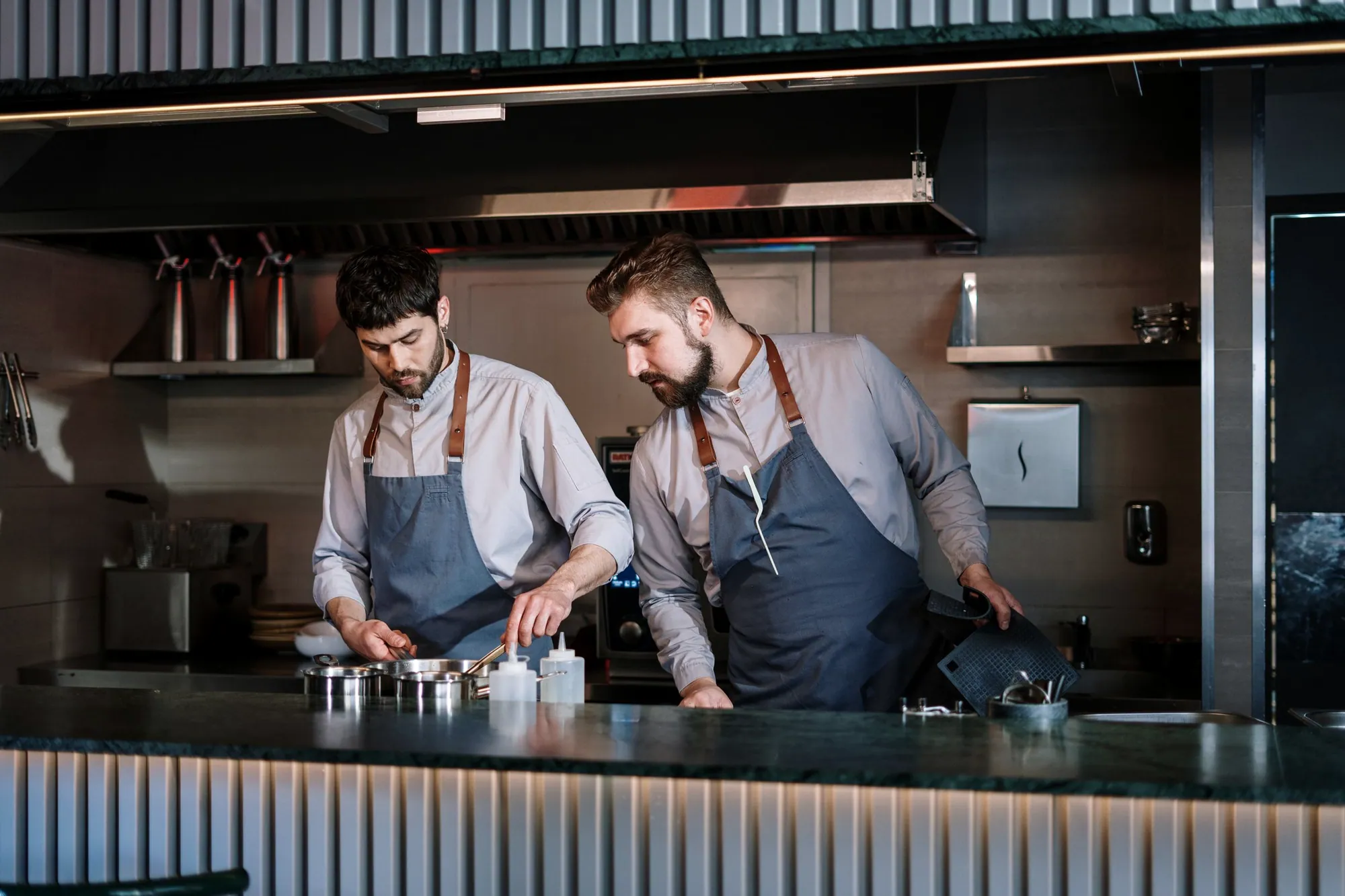
We program your menu, install it in your restaurant and train your staff, we stay with you through the whole process and we don't disappear afterwards.
If you are shopping for a POS right now, you are being told four different stories by four different reps, and every one of them ends with a number that turns out not to be the number.
Here is the part they skip. The software fee is the small bill. Card processing is the big one, it shows up every month for as long as you are open, and it is the number nobody wants to write down for you.
And the system itself is rarely what fails. What fails is a menu somebody typed in wrong, a tax group that was never set up for your city, and no one in the building the night you switch over.
Three things, and we will be judged on all three

“We are with you every step of the way, and we want to see your restaurant thrive.”
Two systems, and what each one is good at
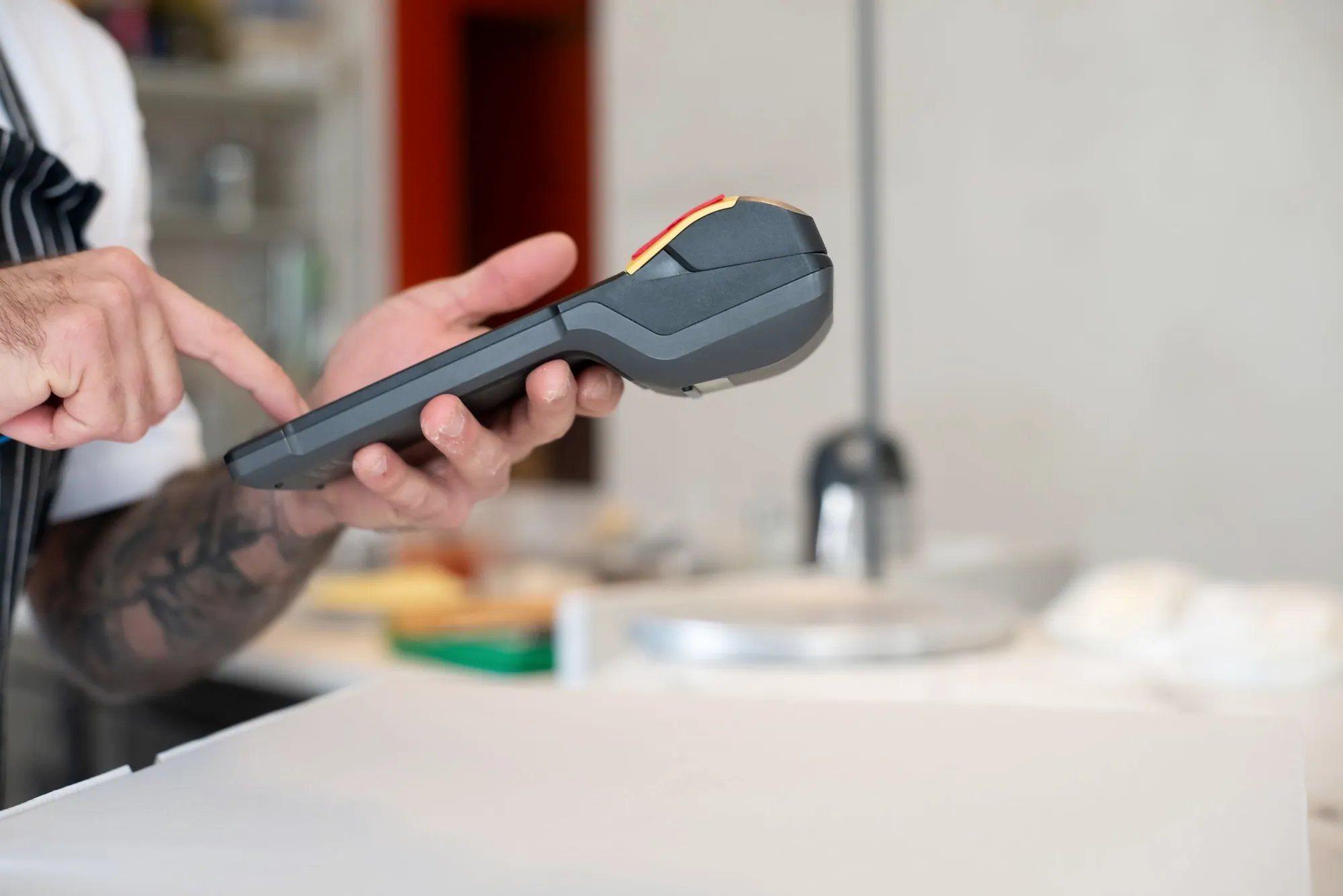
We sell two. We have written down what is wrong with both. If neither one suits your room, you will hear that on the first call, not in month four.
A taproom and a pizza shop need almost nothing in common
Half and half pricing. Pours and cans to go. Sold out at eight. Offline when the signal drops. Find the one that sounds like your place.
 Full serviceCoursing, table turns, tip pooling
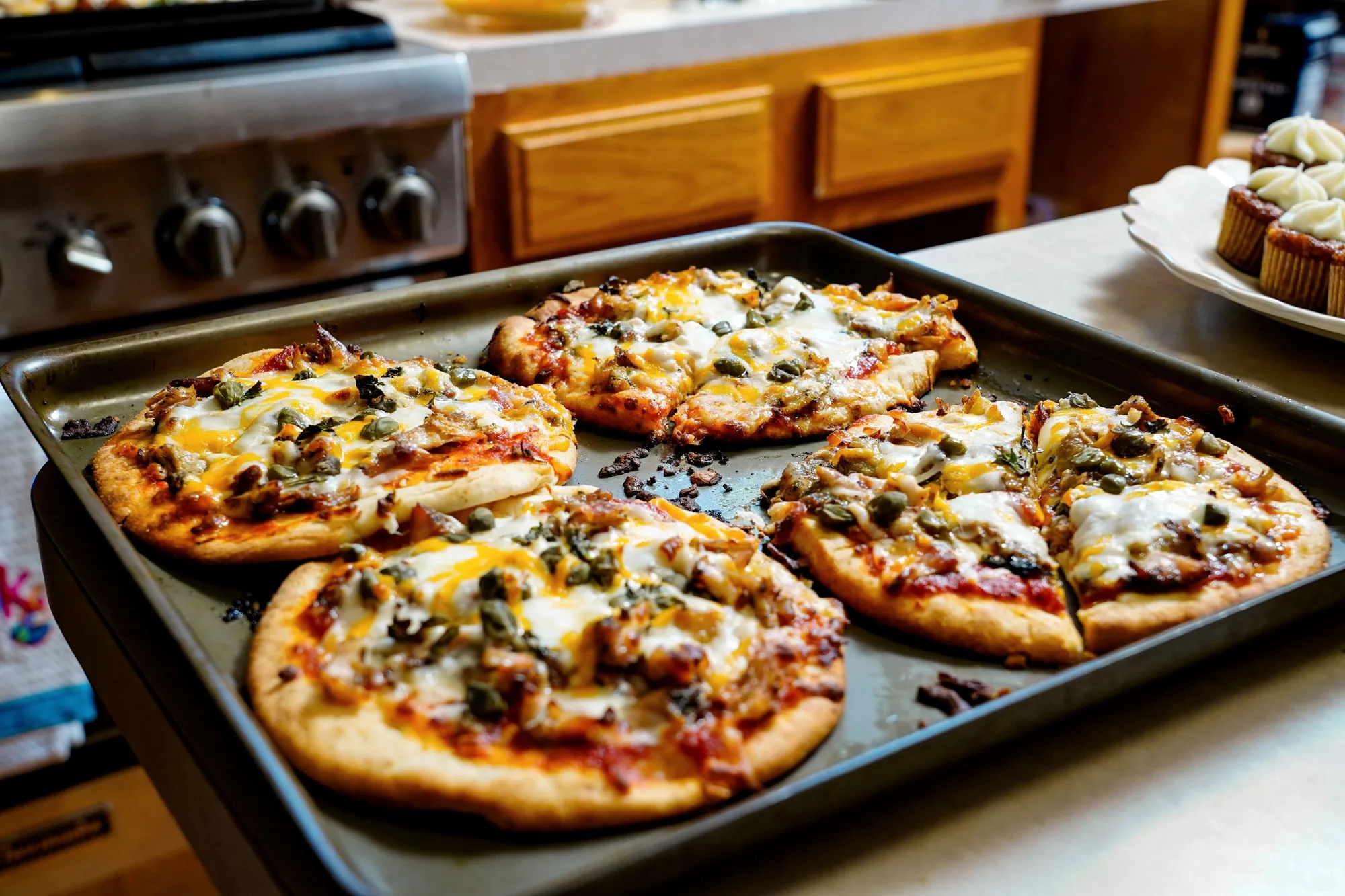 Quick serviceLine speed, combos, kiosk ordering
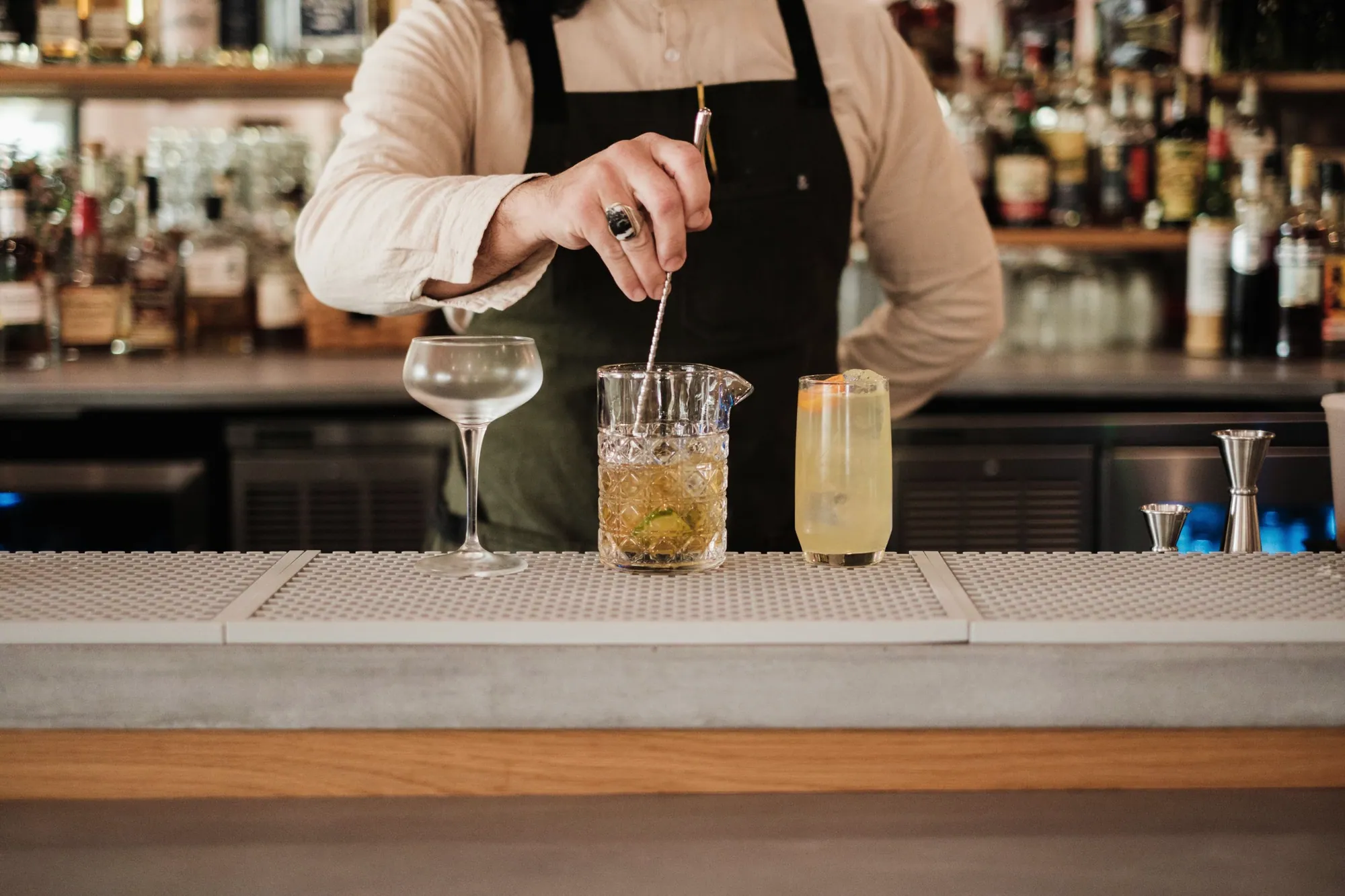 Bars and nightclubsTabs, two tax groups, pre auth
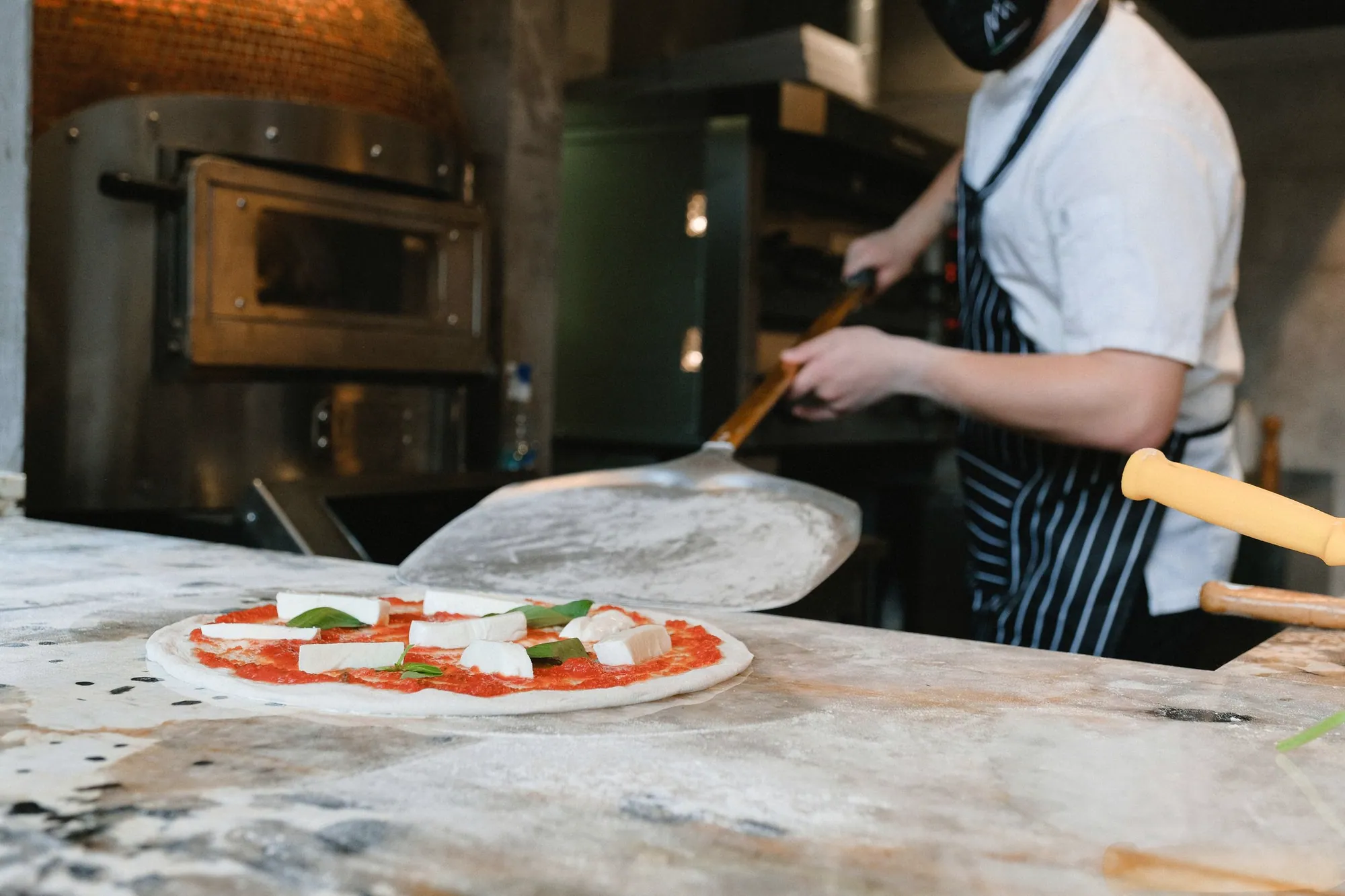 PizzaHalf and half pricing, delivery dispatch
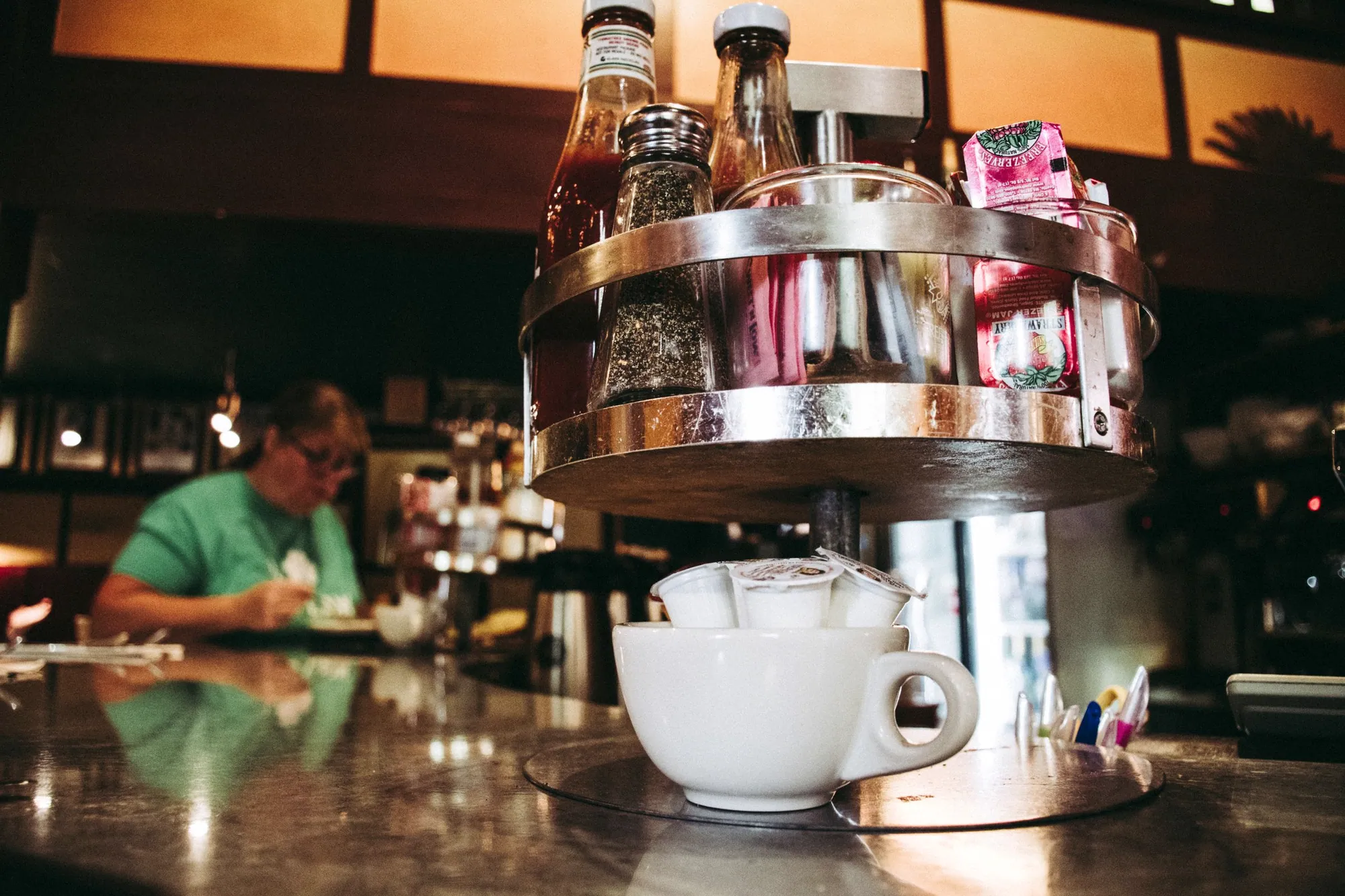 Coffee shopsModifiers, speed, loyalty
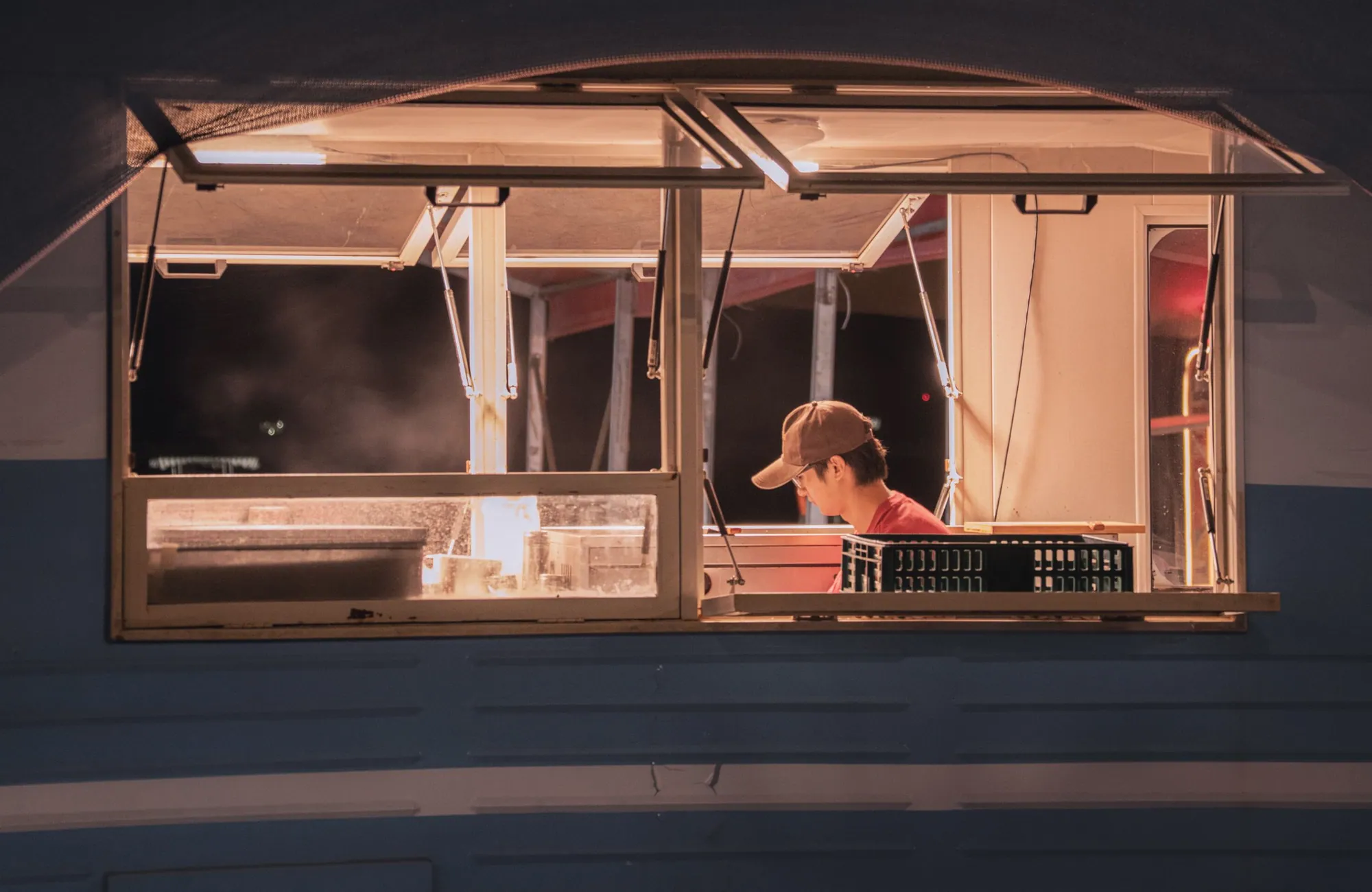 Food trucksOffline mode, one terminal, no counter
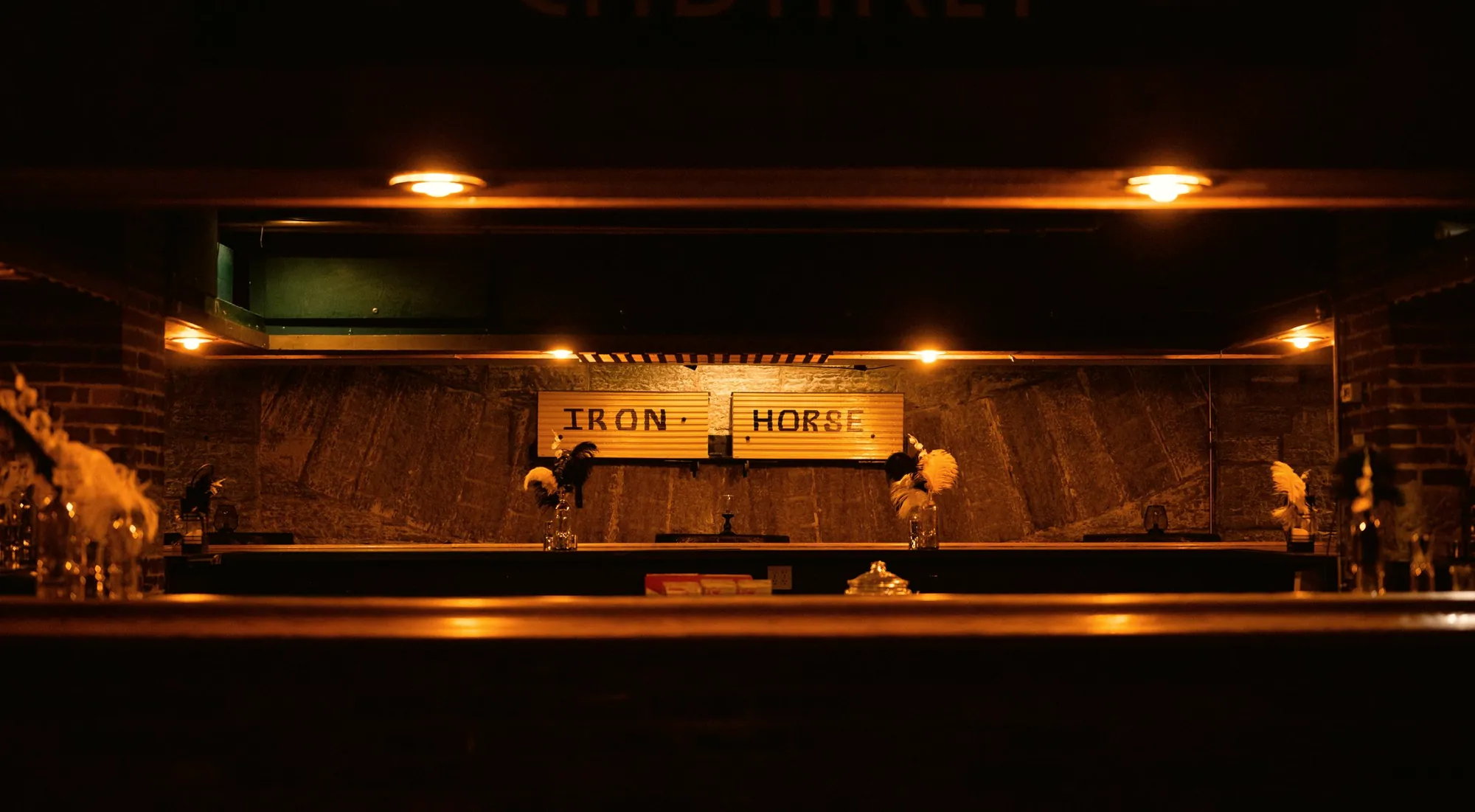 Breweries and taproomsPours, tabs, retail cans to go
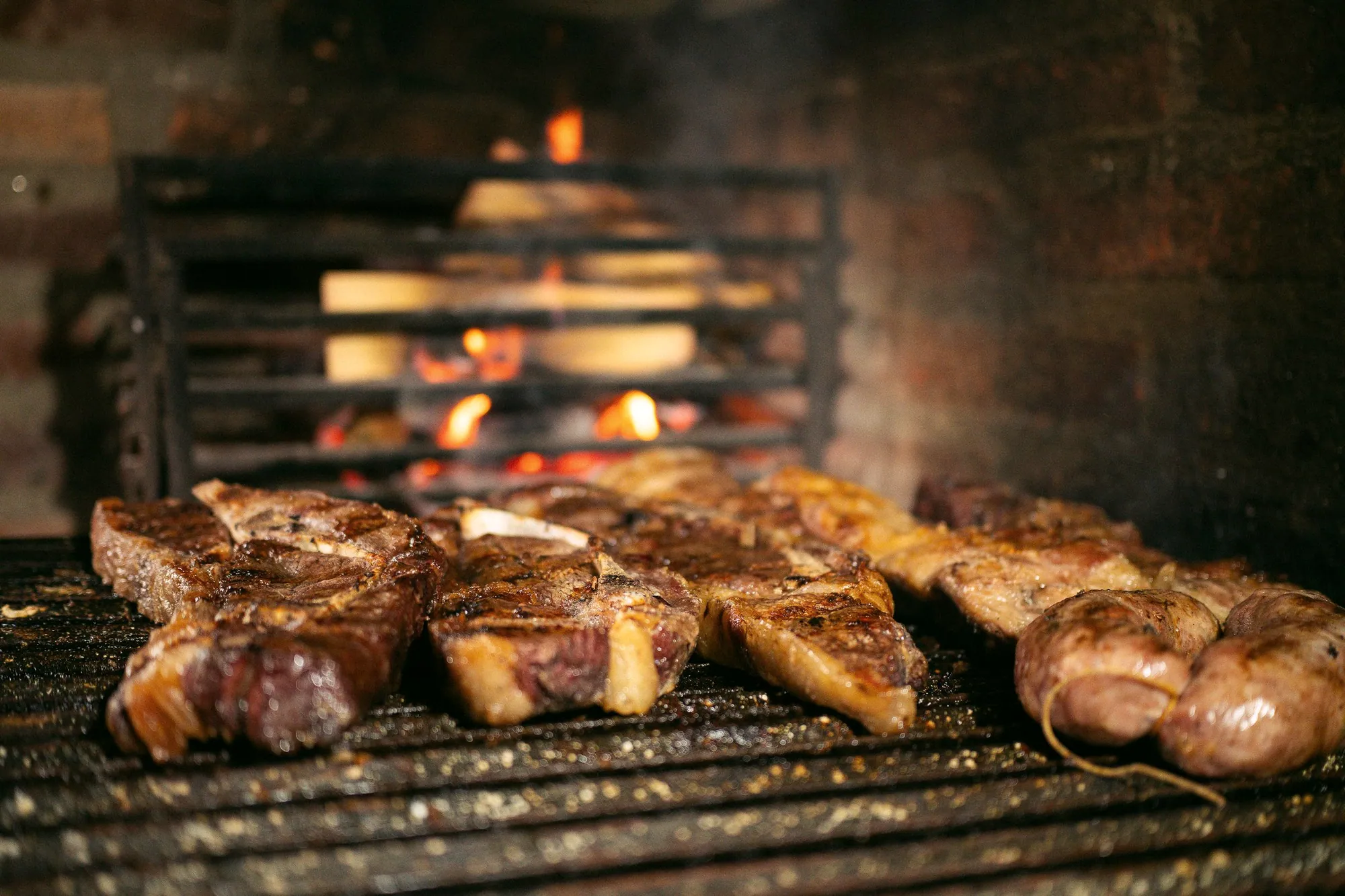 BarbecueSold out items, by the pound, catering
What the first three weeks look like
You have probably heard the version where a box shows up and a login lands in your inbox. This is not that.

Restaurants in this state that already run on us
Every name below is a working restaurant our Arkansas team put on a point of sale system and still supports. Not a stock photo, not a logo we licensed. Drive past most of them this week and they will be open.
- IV Kings CoffeeJonesboro
- Omar's UptownJonesboro
- Fat City Steak & Grill HouseJonesboro
- Blazing BuffaloJonesboro
- The Cotton ClubJonesboro
- CHOW at One EighteenParagould
- The Twisted GooseParagould
- Ciao BaciLittle Rock
- Copper Mule Table & TapBryant
- Blue Bridge Brews & BakeryNewport
- El Puerto Mexican Food & BarBlytheville
The team's own handout counts over a hundred more across the Delta and central Arkansas. Ask us for the ones nearest you and we will tell you who to call. They will tell you the truth about us, which is the point.
What changes when you cross a county line
The rate on your ticket and the permit on your wall are both set locally. Neither one travels with you.
Food at 10.625% and mixed drinks at 32.625% on the same check. A system running one rate across the ticket is wrong on every tab.
Questions Arkansas restaurant owners ask
How much does a restaurant POS system cost in Arkansas?
There are four costs, not one: software per terminal per month, hardware, card processing and installation. Processing is by far the largest and it is the one most owners compare last. Our pricing page breaks all four down and explains effective rate, which is the only number worth comparing between two offers.
Do you program the menu, or do I?
We do. Every item, category, modifier, combo and tax group is built on our end, and you review the whole thing with us on a screen share before you ever run a live ticket. Programming happens in the cloud, so your hardware sometimes arrives before the menu is finished, and that is normal. What matters is that the menu is our job and not yours. Handing an owner a box and a login is the most common reason a new POS goes badly, and it is the part we refuse to skip.
Which POS systems do you sell?
Two. Shift4 Dine, which was called SkyTab until May 2026, and Clover. We do not sell Toast and we do not sell Square. We publish comparisons against both, including the situations where one of them is the better choice for your restaurant, and if that is your situation you will hear it on the first call.
Will someone be there when we go live?
Yes. Grand opening or a mid service switchover, someone from our team is standing in your dining room on go live night. Things break on that night. A phone support queue is worth nothing to you then.
Why is my bar tab taxed so much higher than food in Little Rock?
Arkansas stacks a state mixed drink tax and an additional mixed drink tax on top of ordinary sales tax, and Little Rock adds its own on restaurant liquor. The 2% hospitality tax applies to prepared food and not to mixed drinks. Two tax groups on one ticket, then. A POS configured with one group gets it wrong.
Can I add a credit card surcharge in Arkansas?
Surcharging card transactions is legal in Arkansas, with conditions set by the card networks including a rate cap, a requirement that it not exceed your cost of acceptance, written notice, and clear disclosure at the point of entry and on the receipt. Debit surcharging is prohibited federally. Cash discounting is a different mechanism and is legal in every state.
Rules and rates change. Confirm anything that affects your money with the agency itself or with your accountant. General guidance, not legal, tax or accounting advice.